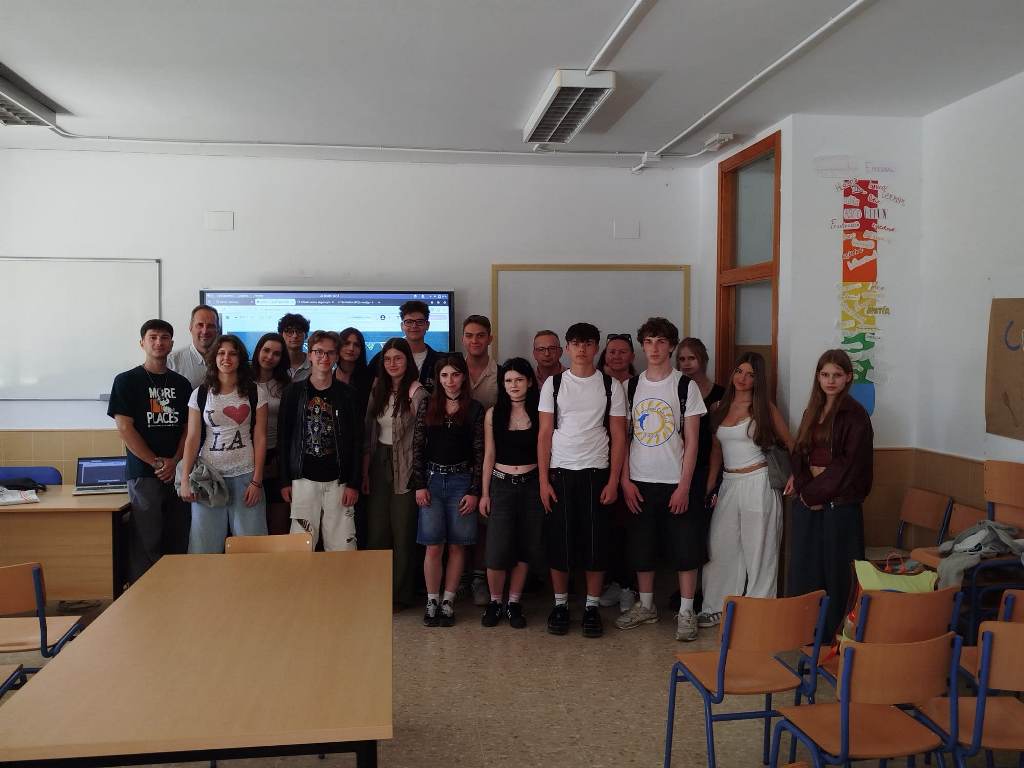
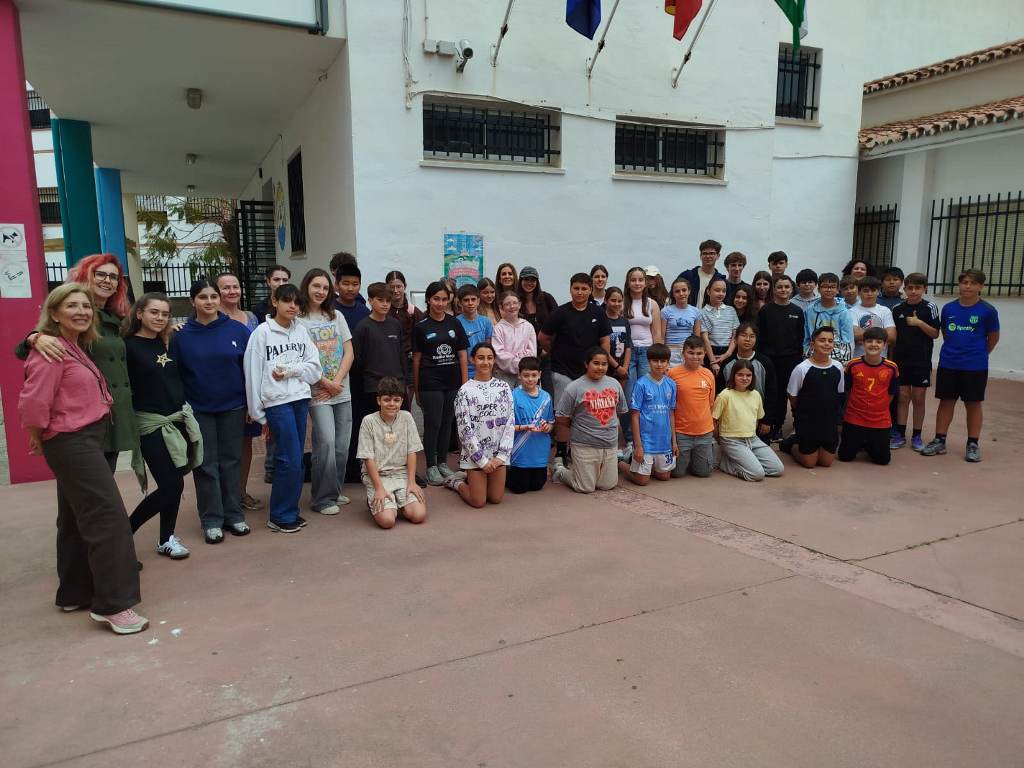
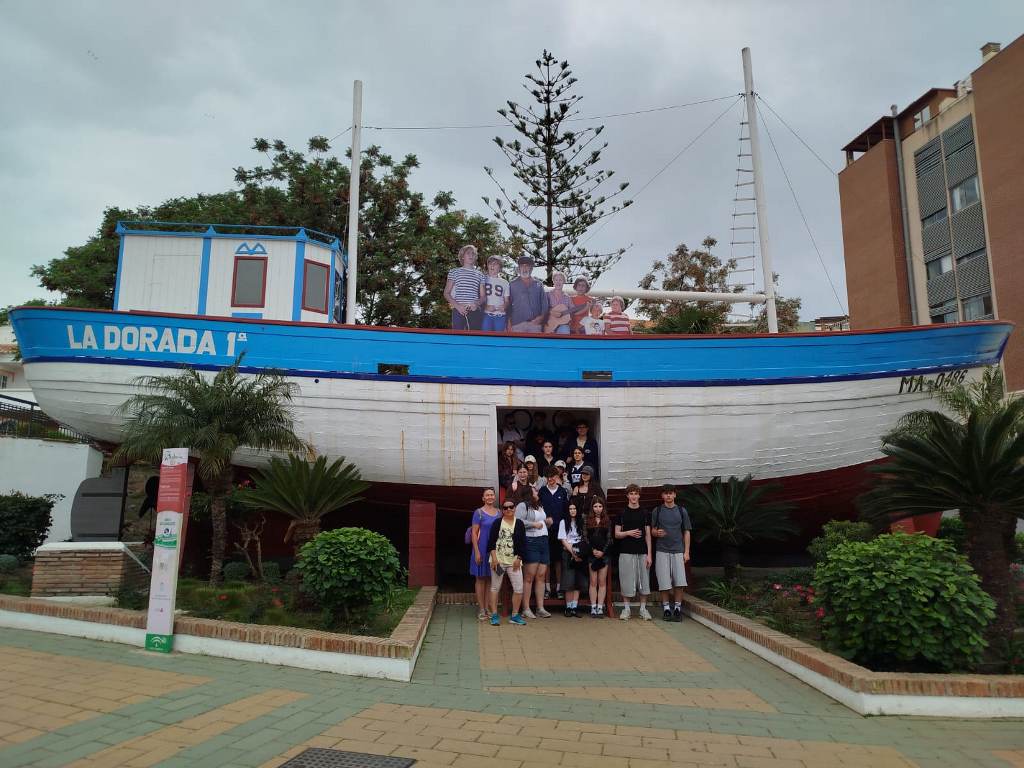
Between 18 and 25 April 2026, a group of 16 third-grade students, accompanied by four teachers – project coordinator Gabriela Olea Martin and teachers Małgorzata Sobieraj, Grzegorz Biskupski, and Marcin Przytuła – participated in a student mobility programme to Torrox Costa, co-funded by the European Union. The trip was organized במסגרת the accreditation granted for the years 2021–2027.
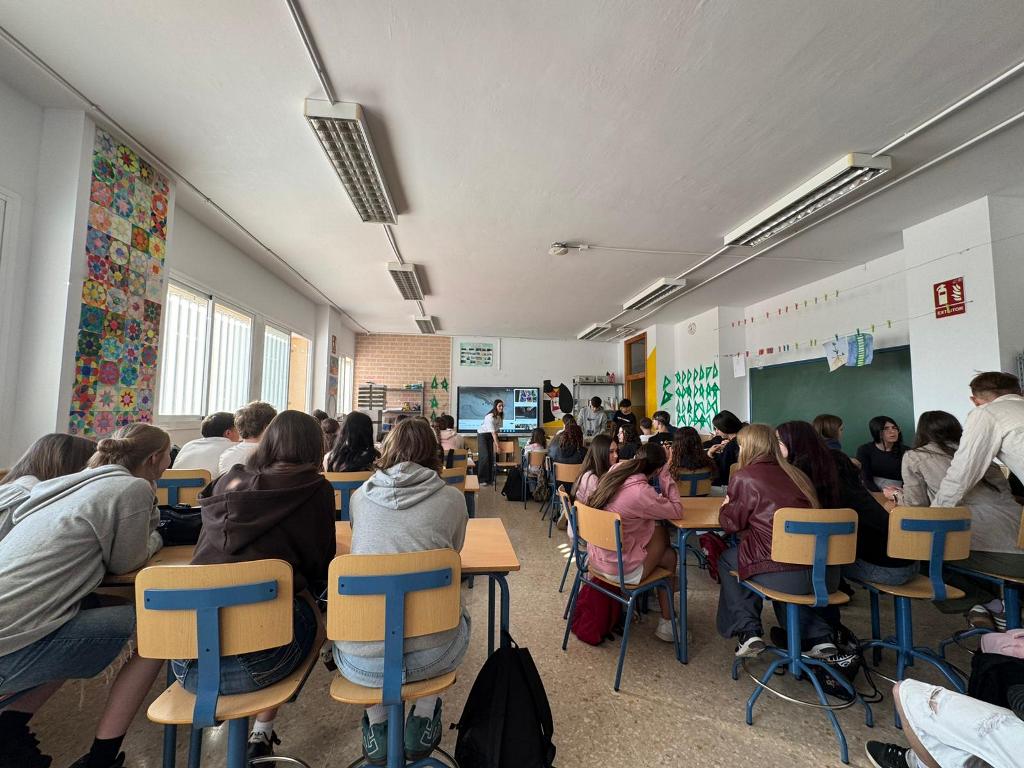
During their stay, the students took part in communicative classes in Spanish, English, and modern technologies, held at IES Alfaguar in Torrox Costa. The school is a modern secondary education institution that places strong emphasis on the development of language and digital competences, as well as international cooperation. It carries out numerous European projects supporting student and teacher mobility and fostering intercultural integration.
Together with their Spanish peers, the students prepared video presentations about their country, city, and school. They also completed communicative tasks in Spanish and English aimed at improving their speaking and interaction skills, as well as gaining insight into Spanish culture. In addition, they participated in sports activities that supported group integration.
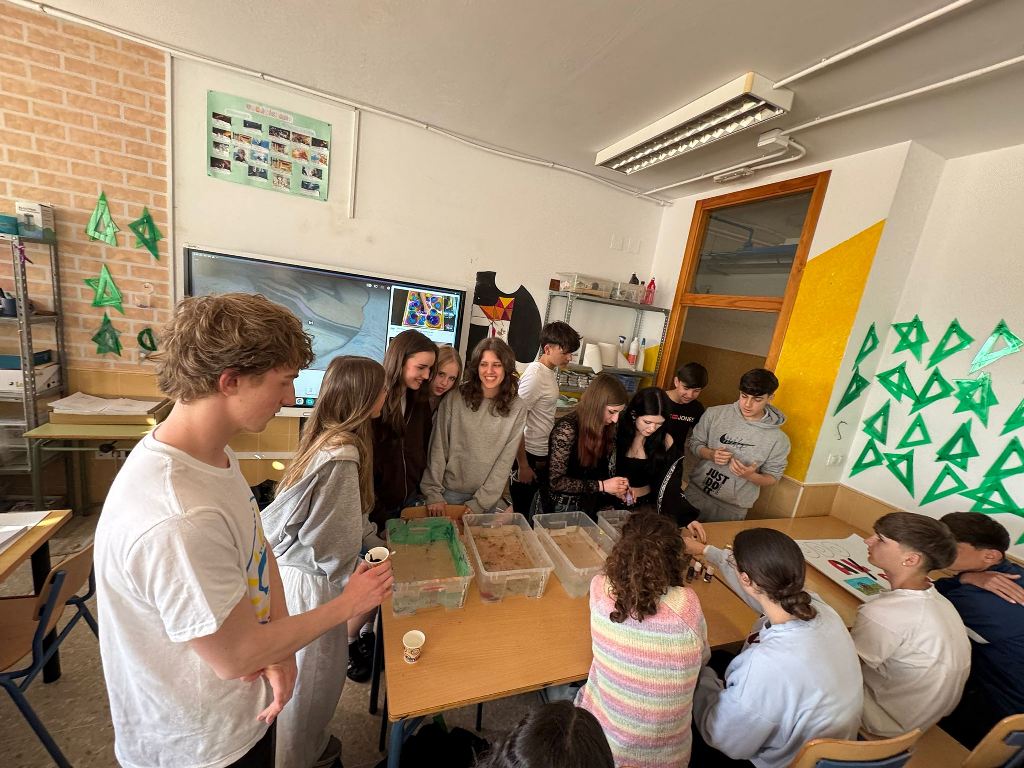
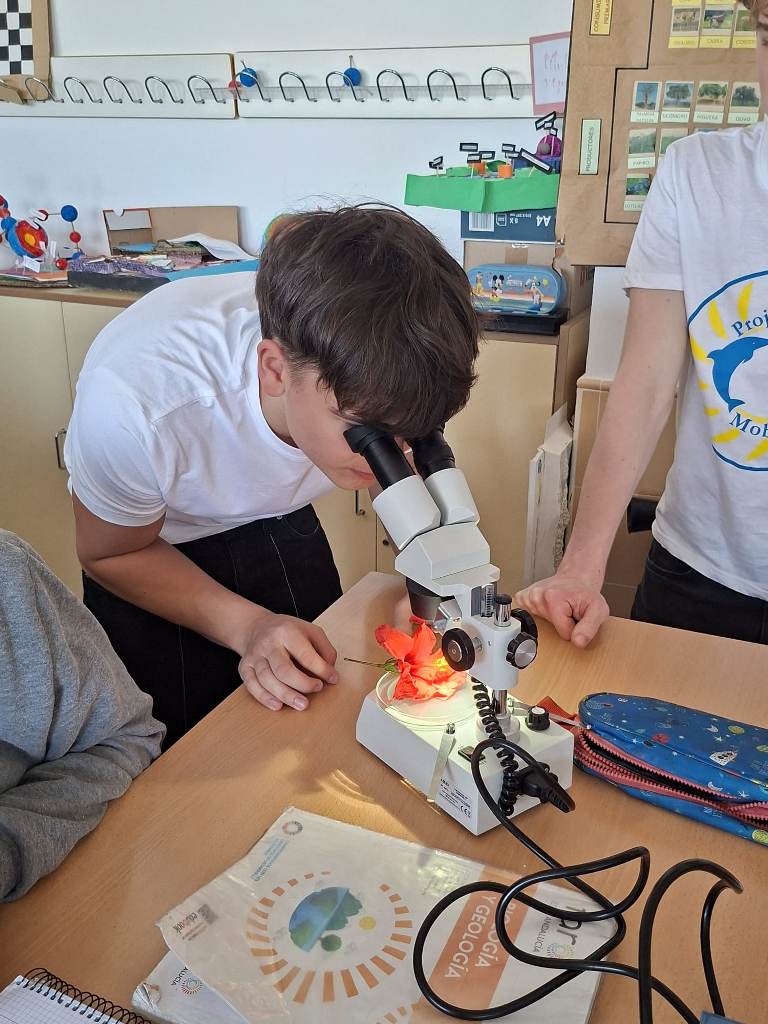
Furthermore, the students attended IT classes focused on video production and professional photography. Alongside students from the Spanish school, they took part in activities in a chemistry laboratory, danced the “Belgian dance,” and engaged in joint music and art projects. The students from I LO also attended Spanish language classes, and their exposure to the language was continuous – both during lessons and while participating in trips, visiting restaurants, or shopping.
After classes, the students went on excursions to Gibraltar, Malaga, Torre del Mar, and Nerja. They had the opportunity to taste traditional Spanish dishes and learn about the history and culture of Andalusia.
Participation in the mobility brought numerous educational and social benefits. First and foremost, the students significantly improved their language skills, overcame communication barriers, and gained confidence in using foreign languages in everyday situations. Direct contact with peers from another country fostered teamwork skills, openness, tolerance, and intercultural understanding. The students also developed their digital competences by creating multimedia materials and enhanced their creativity through artistic and project-based activities. The mobility experience also contributed to increased independence, adaptability to new environments, and responsibility for their own actions.
For many participants, this was a valuable life experience that broadened their horizons and motivated them to continue their educational development and take part in future international initiatives.