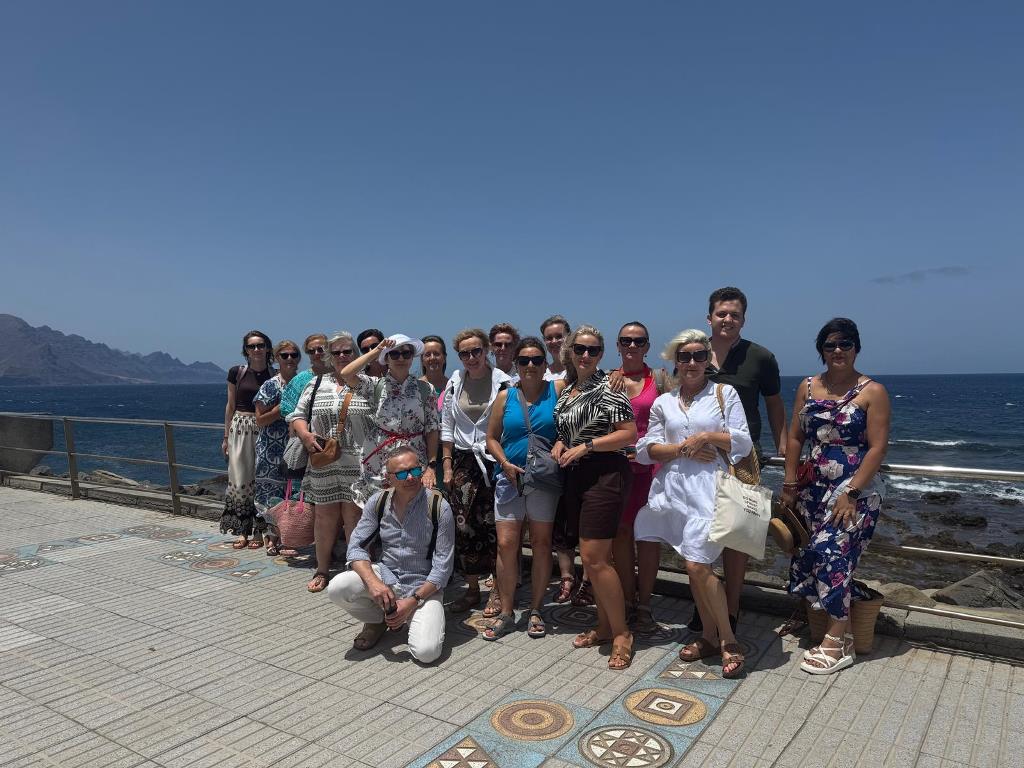
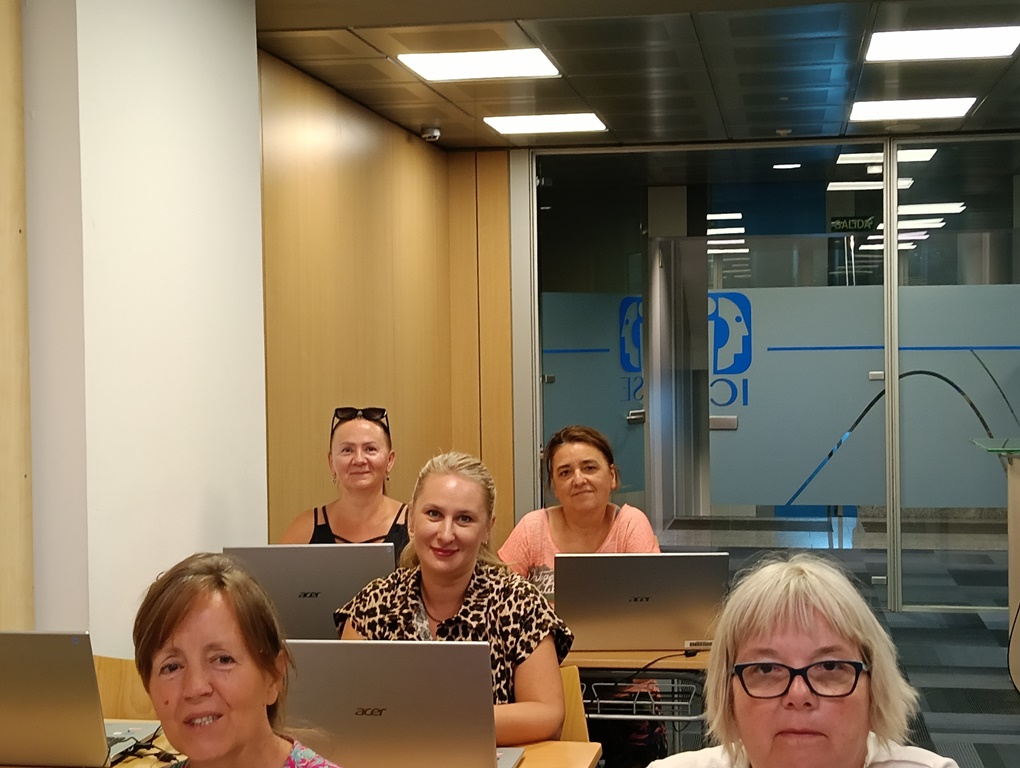
From 8 to 12 July 2026, three teachers from Stefan Żeromski High School No. 1 (I Liceum Ogólnokształcące) in Kielce, Poland – Gabriela Olea Martin, Anna Pacak and Małgorzata Sobieraj – participated in the international training course "AI and Gamification in Bilingual Language Classes", held in Las Palmas de Gran Canaria, Spain.
The course focused on the practical use of Artificial Intelligence (AI) and gamification in modern education, particularly in bilingual and language classrooms. Through a combination of expert presentations, hands-on workshops and collaborative activities, participants explored innovative teaching methodologies designed to improve student engagement, motivation and learning outcomes.
During the training, the teachers learned how to integrate AI-powered tools into lesson planning, create engaging teaching materials, personalise learning experiences and support student assessment. They also developed practical skills in designing gamified learning activities using elements such as educational missions, point systems, badges, team challenges and interactive tasks. These approaches help increase students' motivation while promoting active participation and collaboration.
An important aspect of the programme was the opportunity to collaborate with educators from different European countries. Working in multicultural teams enabled participants to exchange teaching experiences, share good practices and discuss current challenges in education. The course also addressed the ethical use of Artificial Intelligence in schools and the development of teachers' digital competences in line with the European DigCompEdu Framework.
The knowledge and skills acquired during the mobility will be incorporated into everyday teaching practice at our school. The participants plan to introduce innovative teaching strategies, develop new AI-supported educational resources and share the outcomes of the training with other members of the teaching staff through dissemination activities. These initiatives will contribute to improving the quality of education and preparing students for learning in an increasingly digital world.
The mobility was funded by the European Union through the Erasmus+ Programme. It was carried out as part of our school's Erasmus+ Accreditation, coordinated by Gabriela Olea Martin. This training represents another important step in the internationalisation of our school and in the continuous professional development of our teaching staff, supporting the implementation of innovative, learner-centred educational practices.